
God of War Ragnarok features an especially explosive finale, building a narrative around the fundamentally destructive, apocalyptic event that is its namesake. Although Ragnarok's ending leaves plenty of loose threads to follow, such as Atreus leaving to find the giants and Kratos staying behind as a de facto Norse God of War, most major conflicts within the Norse realms are resolved.
This raises an obvious question: where does God of War go from here? It's long been speculated that the franchise could visit another mythology; 2018's God of War set a powerful precedent with its pivot from Greek to Norse. If God of War Ragnarok's sequel were to take players to yet another mythological backdrop, the series could, in theory, continue to tell unique stories on the stages of old religion, making for a wellspring of inspiration for Sony's Santa Monica team. And while I can certainly understand the reasoning and appeal behind this notion, I'm not completely confident that it's going to be the franchise's next move.
Why Do People Think God of War Is Going to Egypt?
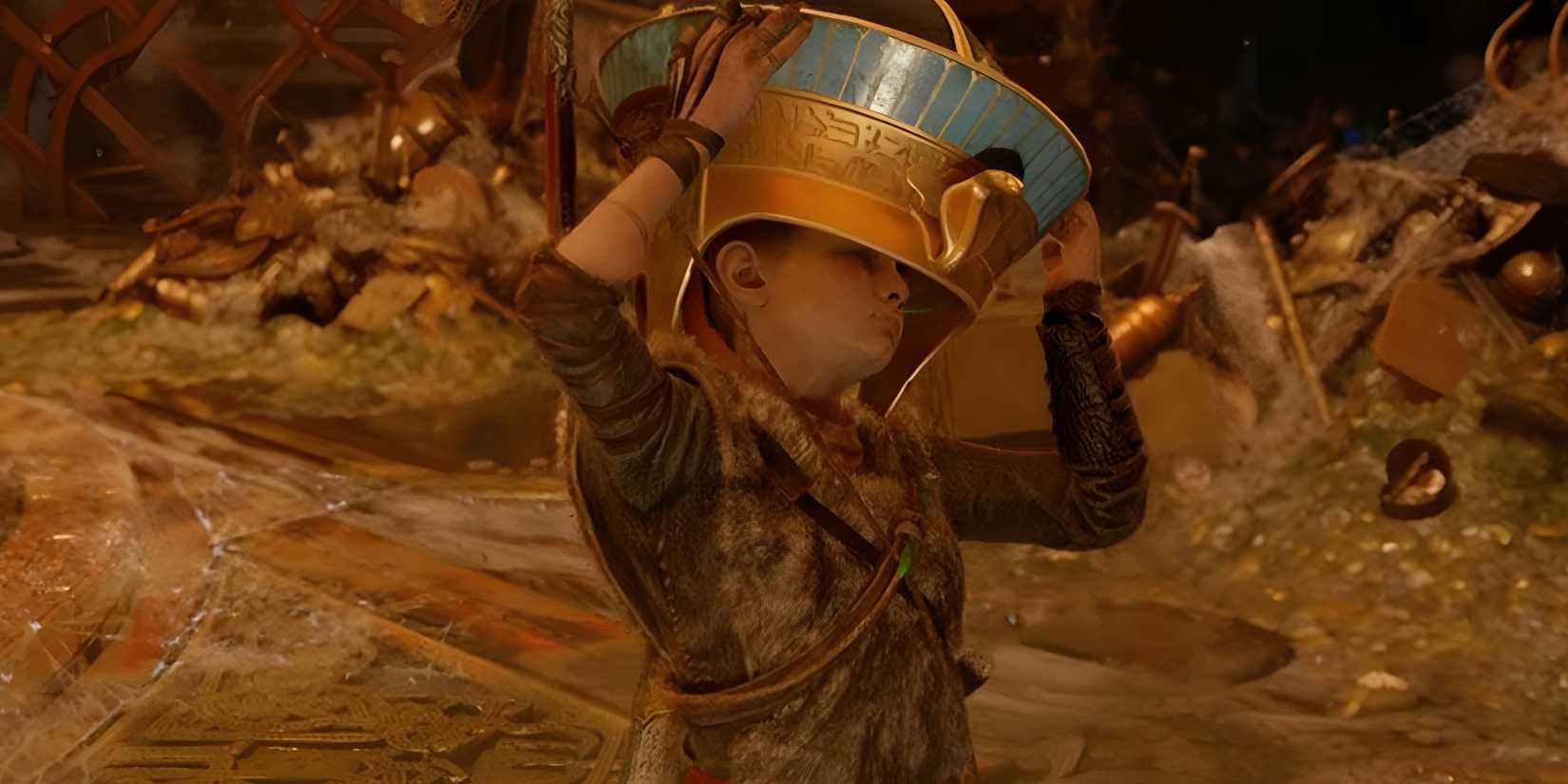
References to Egypt in God of War
God of War has repeatedly alluded to Ancient Egypt, with some of the most prominent nods and Easter eggs including:
- God of War (2005): hieroglyphics at the Gates of Athens reference the sun god Aton
- Official God of War novelization: Zeus references Ares' involvement in Egypt
- God of War (2018): Tyr's vault contains several artifacts related to Egyptian mythology, such as a statue of the goddess Hathor
Rumors and Leaks About God of War Switching to an Egyptian Setting
There have been numerous claims made about the next God of War game's setting, some of them more credible than others. But only recently, Insider Gaming's Tom Henderson alleged that the next God of War will feature an Egyptian Khopesh. Weaponry is quite significant in God of War, as evidenced by Ragnarok's substantial Draupnir Spear quest and the almost immediate icon status of the Leviathan Ax. It follows, then, that the inclusion of the Khopesh would not be superficial.
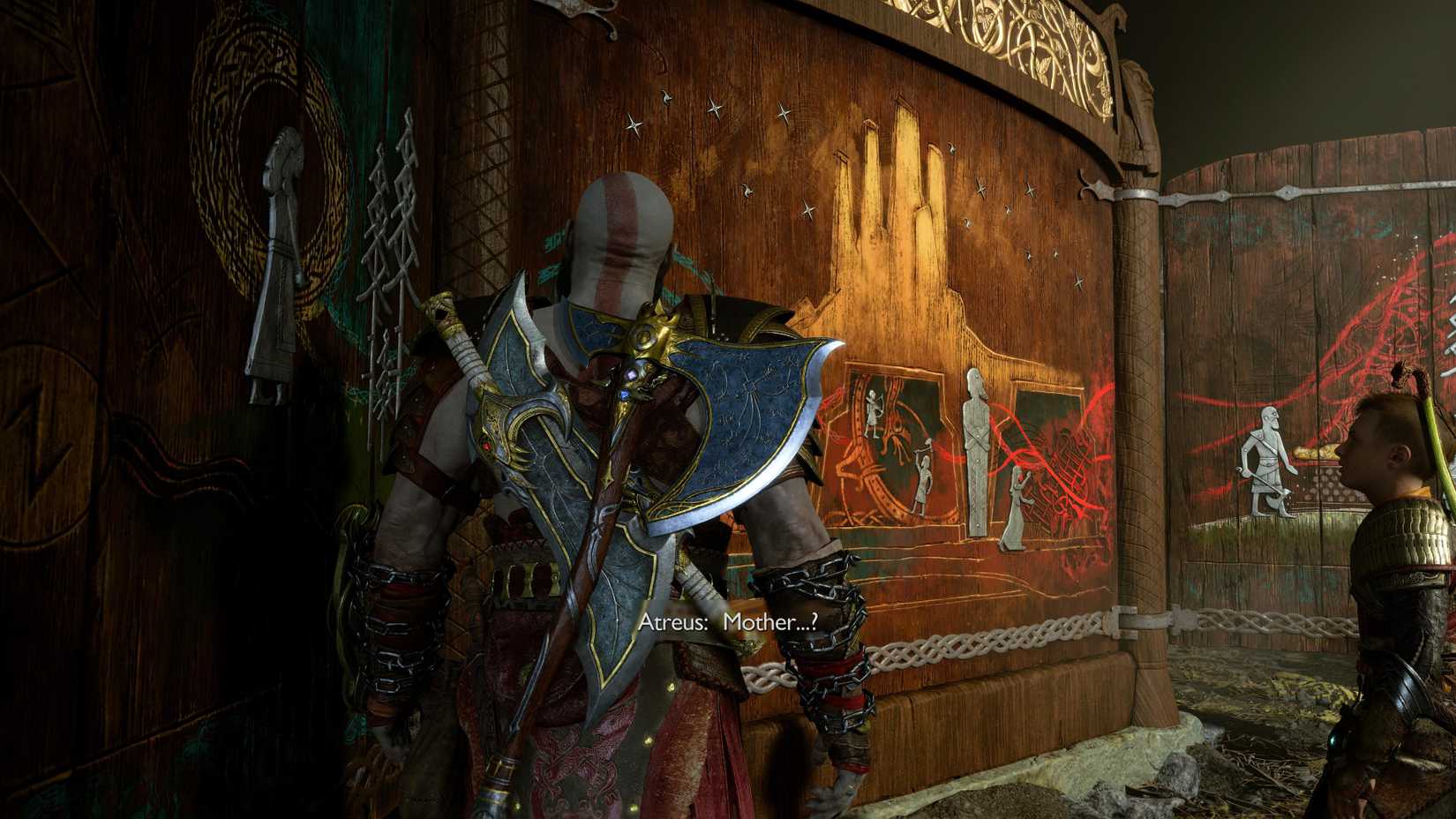
God of War: Why I Don't Buy It
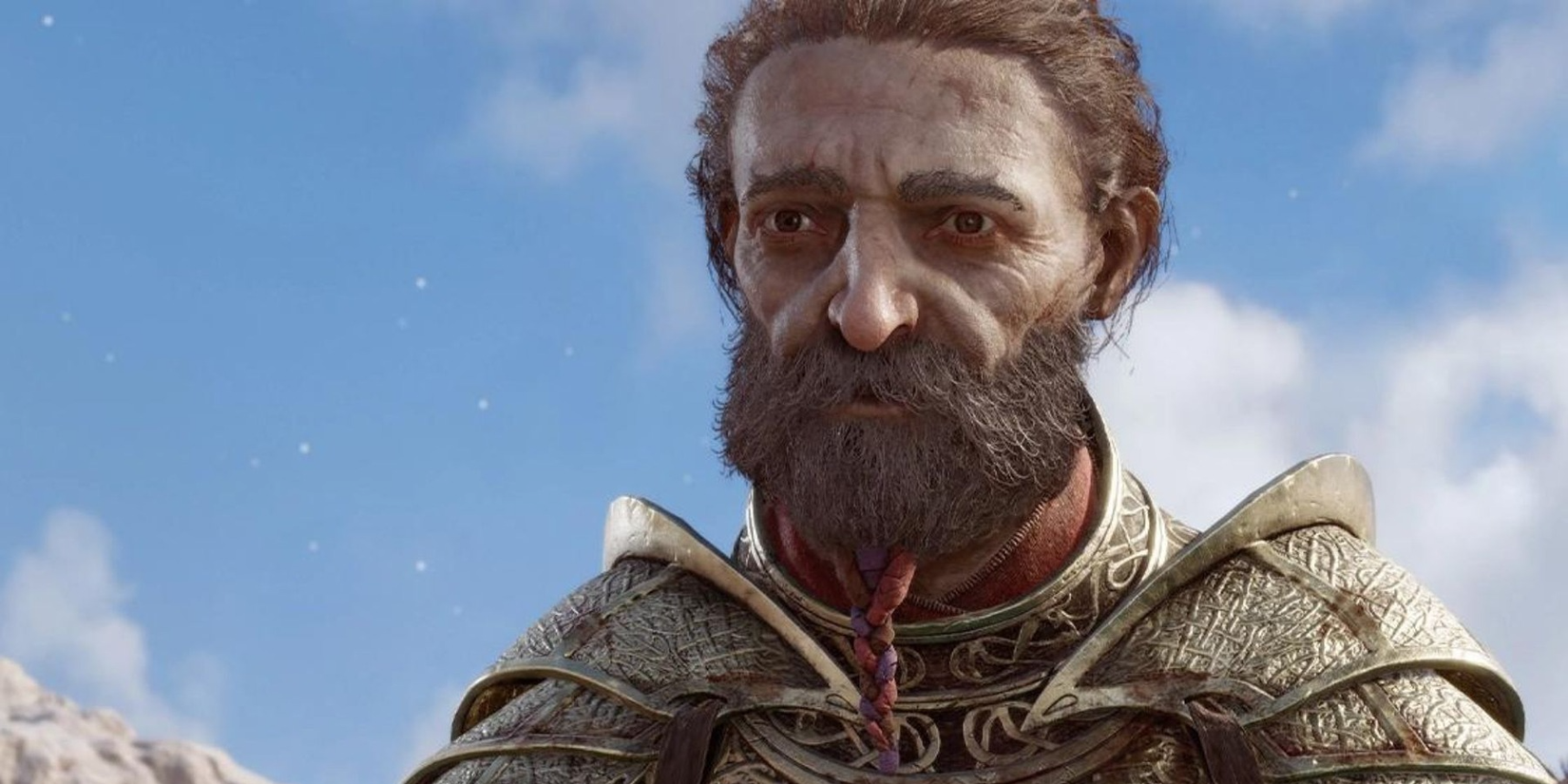
Bringing God of War to Egypt Would Be a Double-Edged Sword
One reason I'm skeptical about God of War going to Egypt is the track record of Santa Monica Studio. Simply put, I think it has something better in mind for the next story. This isn't to say that an Egyptian foray is doomed to be bad, but the setting change has much greater implications than many seem to think.
A pivot into Ancient Egypt would effectively turn God of War into a quasi anthology series, one where Kratos, Atreus, or both travel to different mythologies every few games. Not only is this a little outlandish, but it's also thematically at odds with the series as a whole. Kratos seems to be moving further toward a lifestyle of peace and optimism; why would he then get involved with another pantheon's problems? Even if he were to go to Egypt for altruistic reasons, such as answering a call for help, his motivations would still be questionable.
There's Still More for God of War to Explore in the Norse Realms
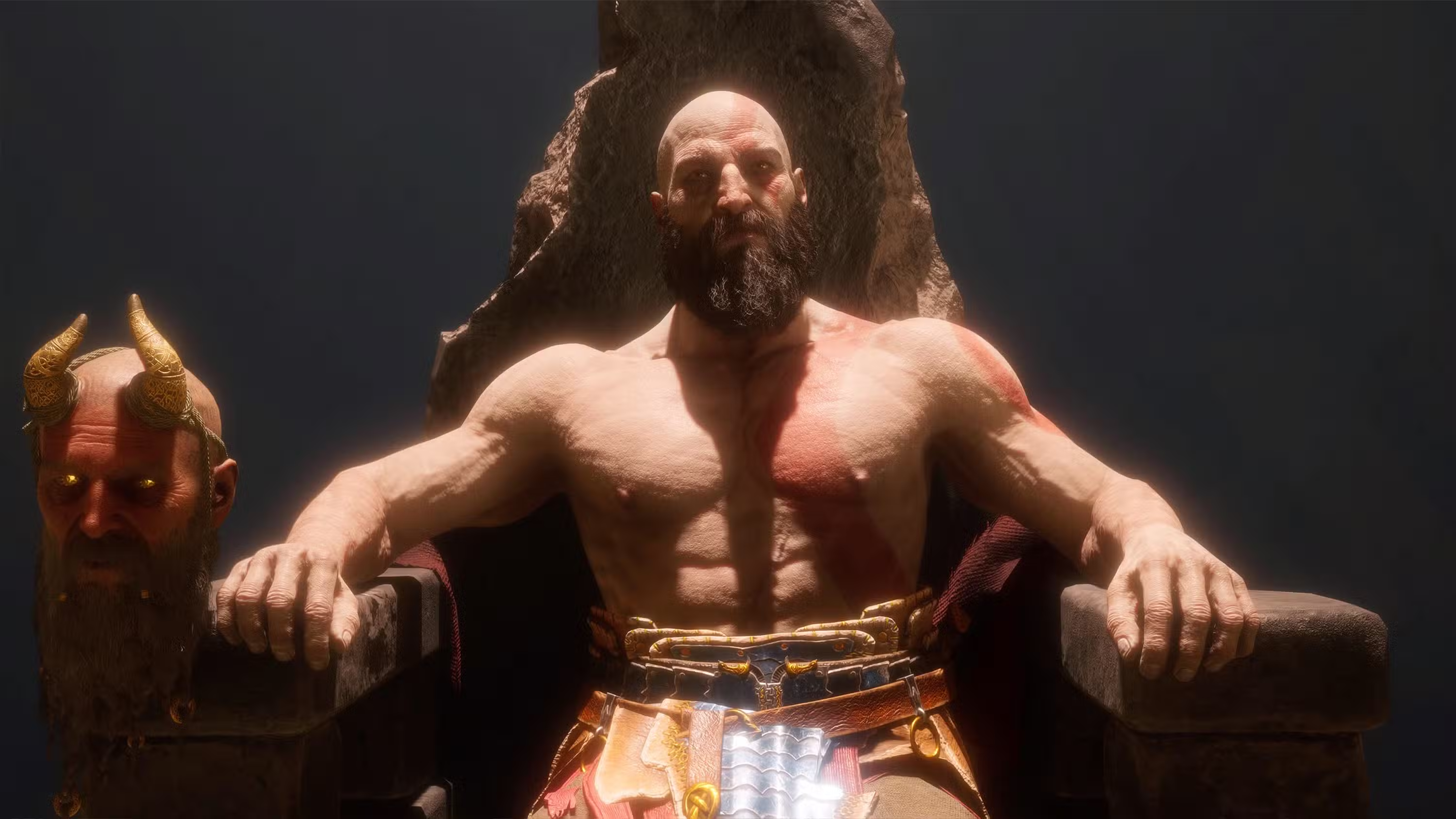
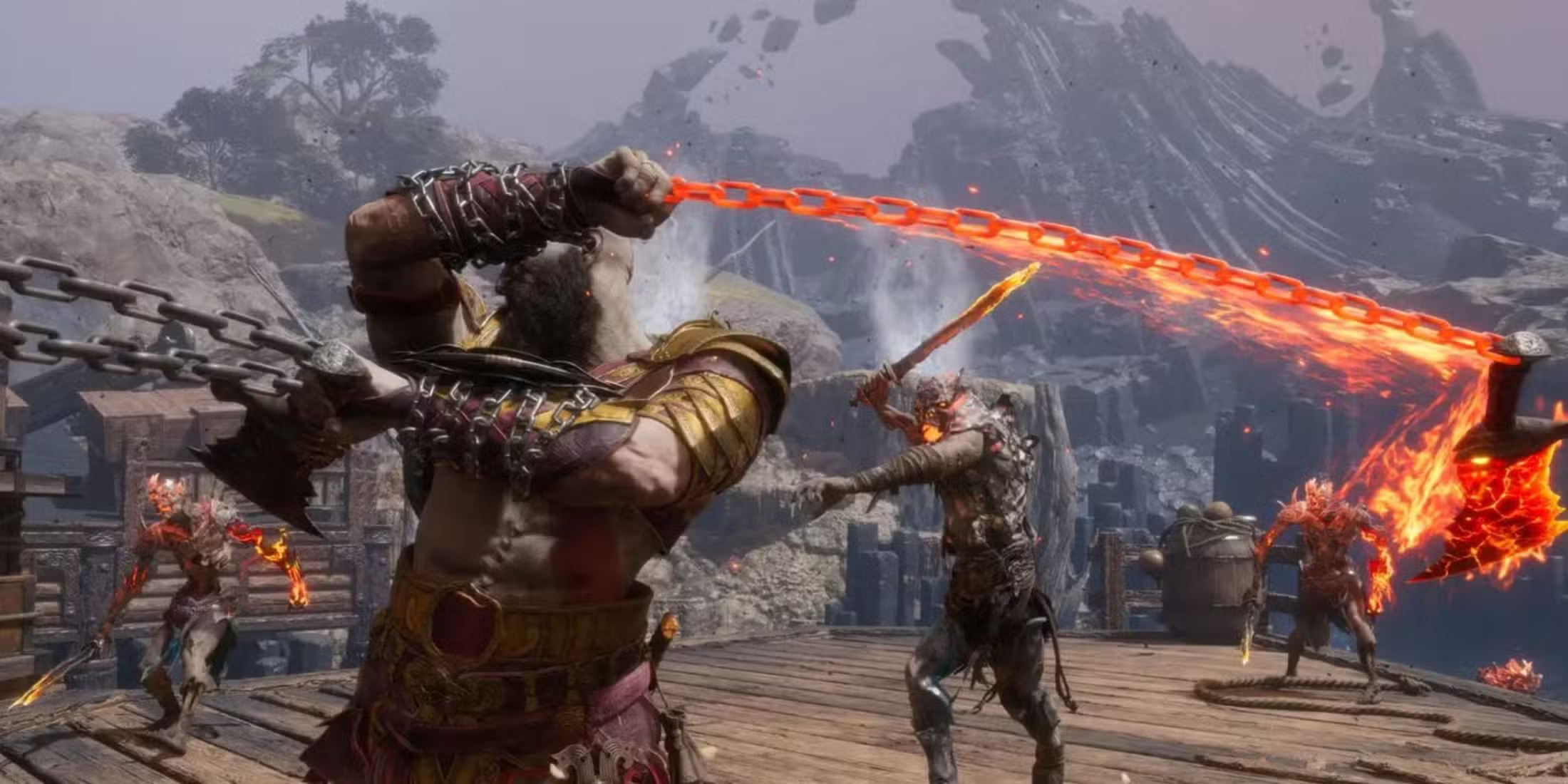
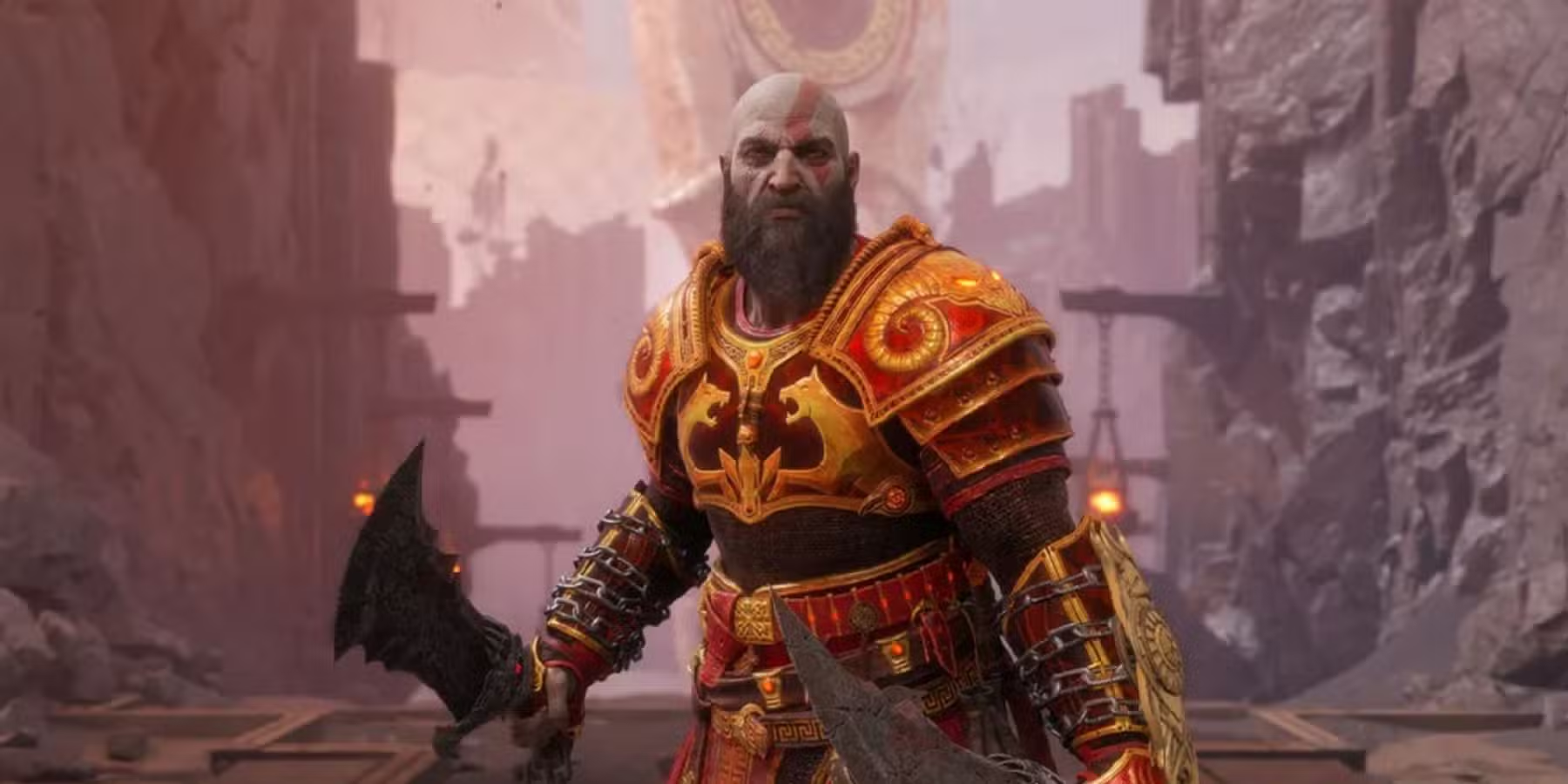
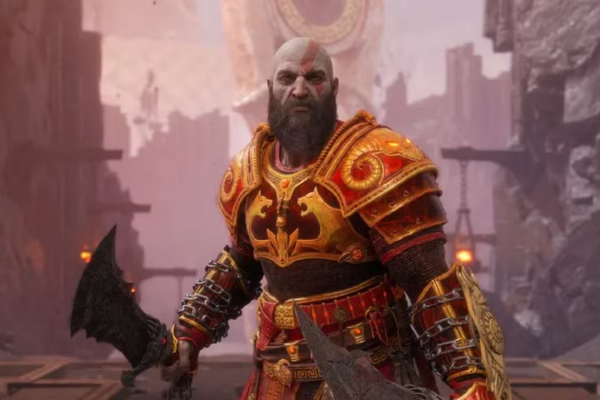
One of the many reasons why God of War's 2018 reboot works so well is the context left behind by God of War 3. By the end of that game, Kratos has effectively burned every bridge and killed every enemy, having fulfilled all his goals. There was nothing left for God of War in Greece.But this is not so in the current chronology, which sees Kratos assuming a leadership role with new, stronger allies. Rather than being left in utter chaos and destruction like Greece, the Norse realms are at the dawn of a new era, one that Kratos may help shape. It would be a massive missed opportunity to pivot to another realm so shortly after this radical character and setting transformation, potentially burning loose ends related to key players like Sindri, Thrud, and Mimir. It would also probably be much cheaper to make another Norse God of War game, so missing such opportunities would come at another kind of cost as well.